cloud services
development

MVP in 14 days
4x more affordable and 10x faster

We build custom cloud services, CRM, ERP, and internal online systems: portals, B2B tools, integrations, dashboards, and APIs.

Our AI-assisted pipeline launches products about 10x faster and reduces budgets by roughly 4x compared to classic development. Fixed-price delivery without open-ended T&M.

Get a price estimate

of your cloud service

reply via:

We develop online cloud services

Technical specification is always free for you!

We document not only the base architecture of the future service, but also user flows, roles, integrations, constraints, data requirements, and key business processes. That lets us align expectations early and remove the chaos that often appears at the launch of complex cloud products.

The technical specification is prepared using clear standards, with detailed modules, screens, logic, and delivery priorities. As a result, you get a transparent foundation for estimation, development, and further service growth without losing control of the project.

First results in just 5 days

If you have an idea or a short concept without full detail, we quickly turn it into a working start. In the first days we shape the MVP outline, show the architectural foundation, and prepare a test web version that you can open, review, and discuss with your team.

This early result means you do not wait months for the first demo and can validate hypotheses almost immediately. In about 5 days, part of the MVP can already be visible in the browser, which speeds up decisions about scope, budget, and the next development stage of the cloud service.

Cost of cloud web service development

A modern AI-assisted pipeline gives a major production boost, so the cost of a cloud web service today can be 4-5x lower than with classic development. Most savings appear across these stages:
  • Specification, requirements, and architecture detailing
  • Interface and scenario prototyping
  • Fast assembly of a test MVP version
  • Frontend development and screen integration
  • Backend development, APIs, and business logic

The more modules, roles, integrations, and custom logic your service contains, the more team time it still requires even with an accelerated process. But thanks to the AI-assisted pipeline, a substantial share of routine work, draft assembly, and repeatable tasks is completed much faster than before.

The final cost also depends on feature complexity and the required level of reliability. Content sections and admin panels can launch faster, while financial calculations, permissions, security, and complex integrations need deeper engineering control, yet even here the modern approach delivers a meaningful budget reduction.

Examples of cloud services from our portfolio

other projects

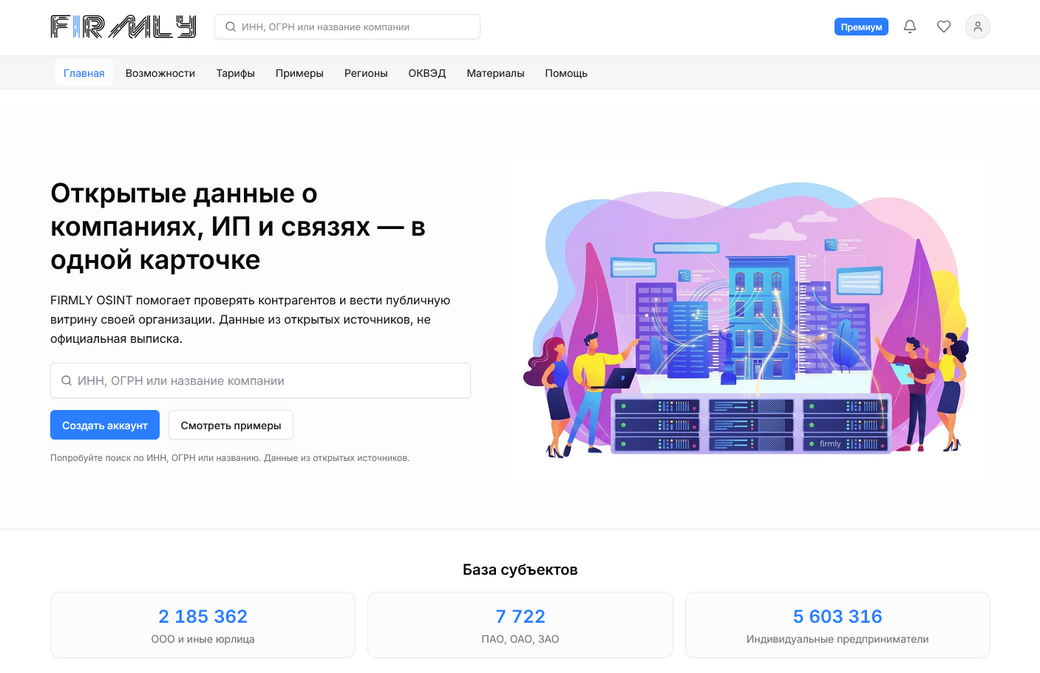
AVICREDIT – ONLINE MICROLOAN SERVICE

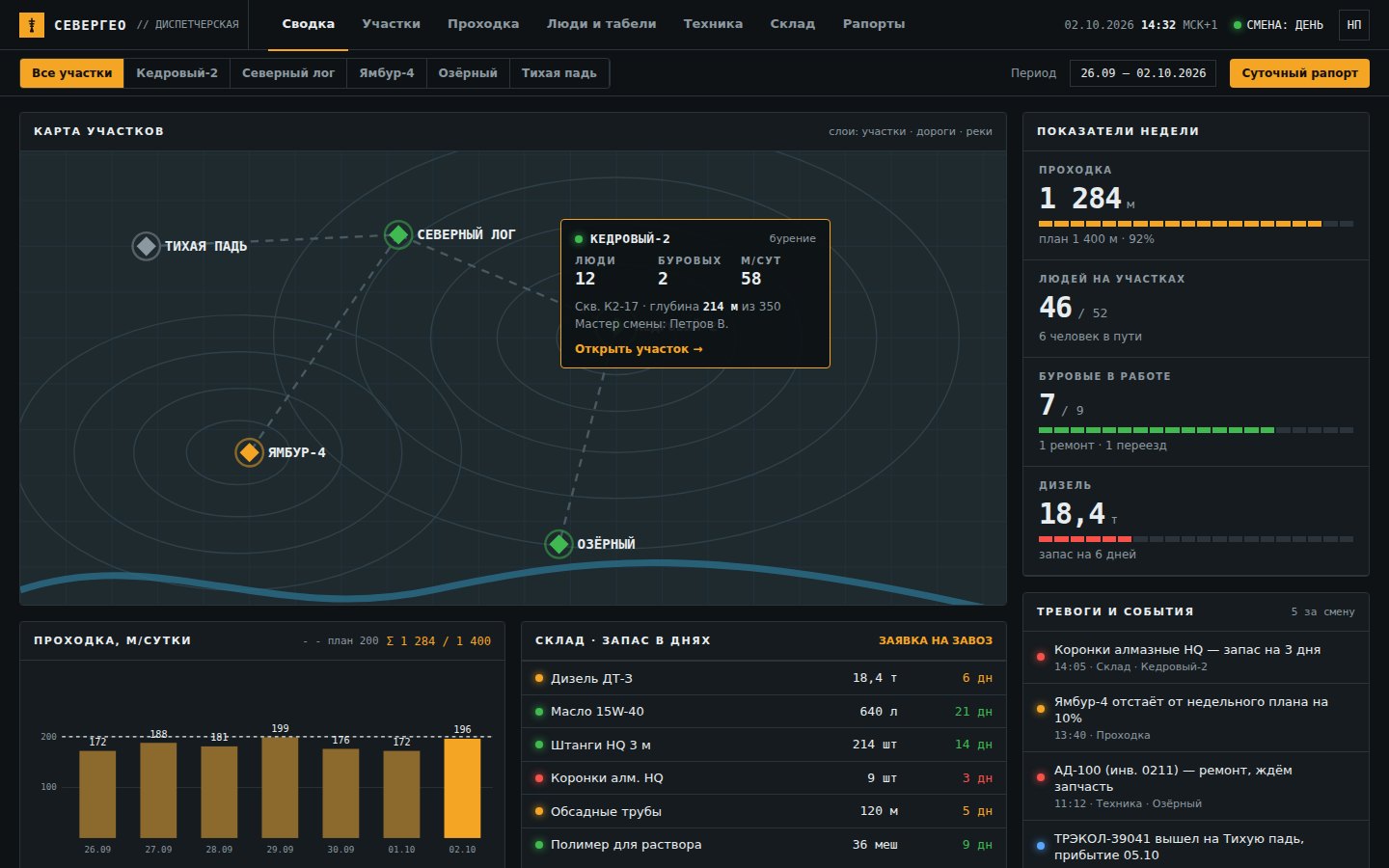
This web application was developed for a company that issues microloans. It provides borrowers a full-fledged opportunity to receive microloans online. The application realizes a full cycle of borrower analysis using a credit-scoring system.

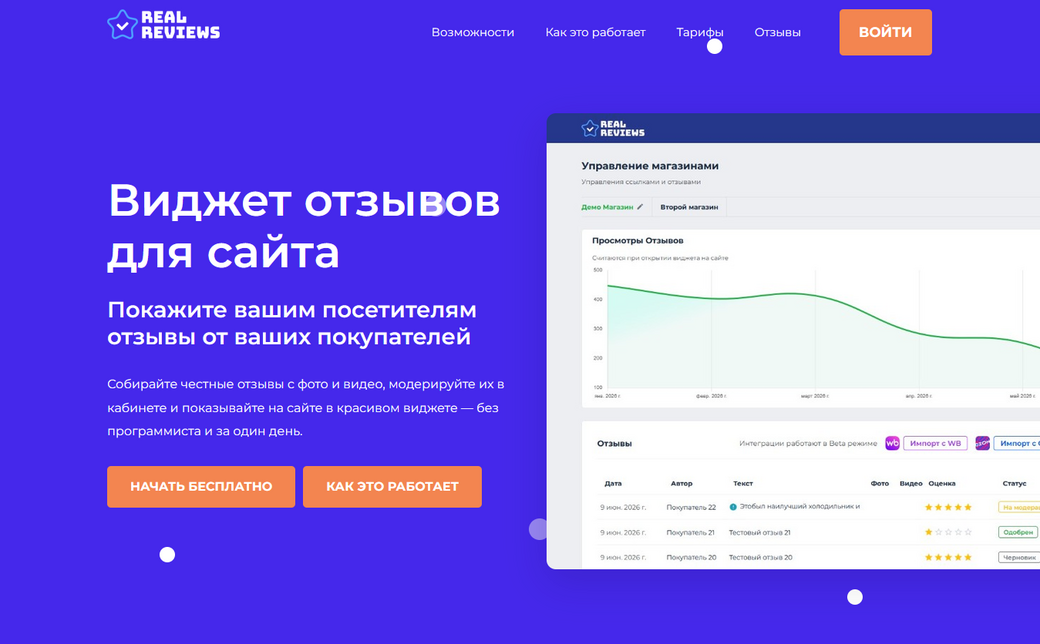
WEBSITES FORM BUILDER - LEADSCHARGER.COM

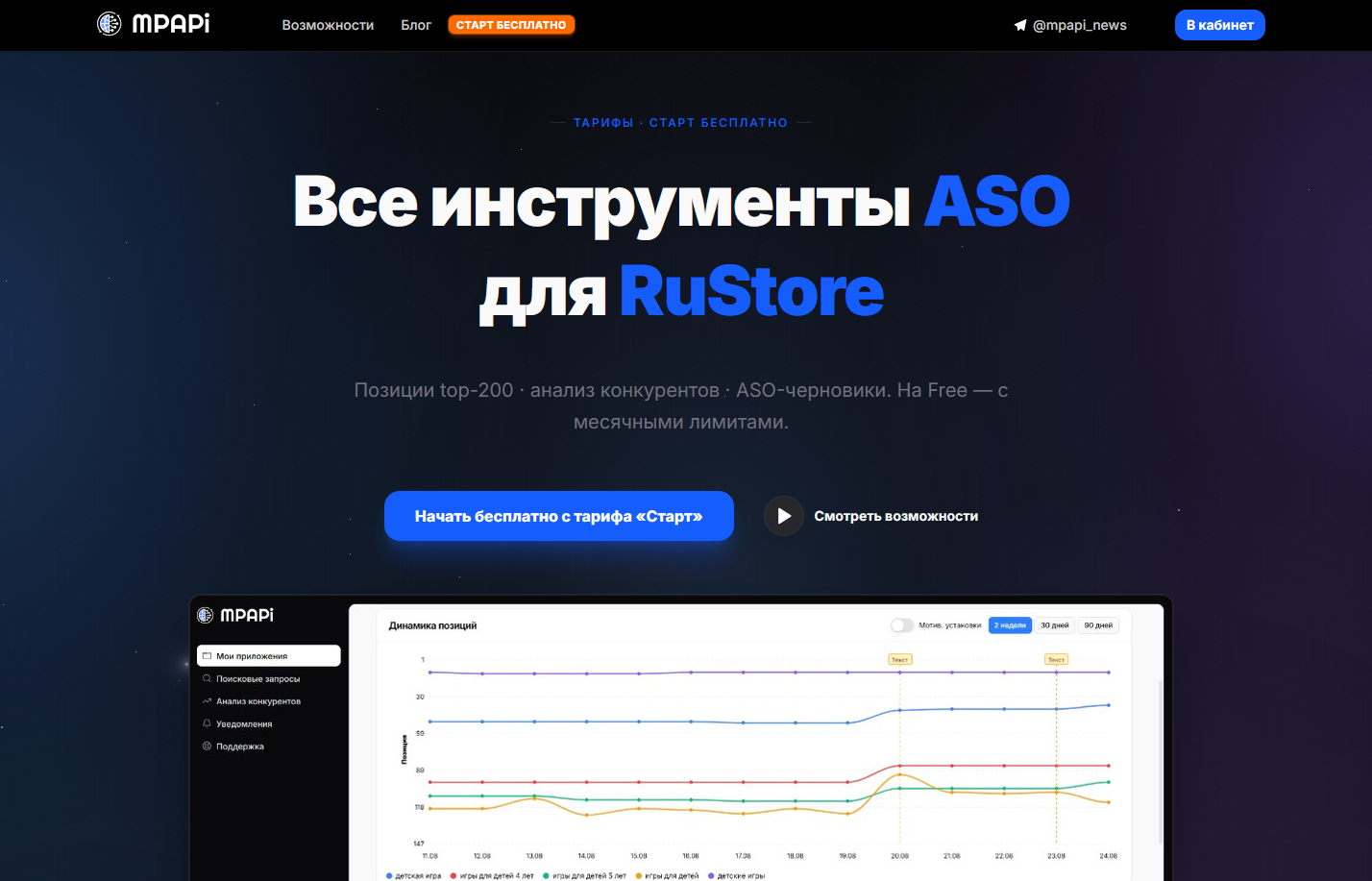
To develop an automated websites form builder. Its main difference from others was to be the feature of capturing data, even in the case the customer did not complete filling in the fields of the form and did not click on the submit button. Thus, with the same advertising budget, the user of the builder gets 15-30% more customers.

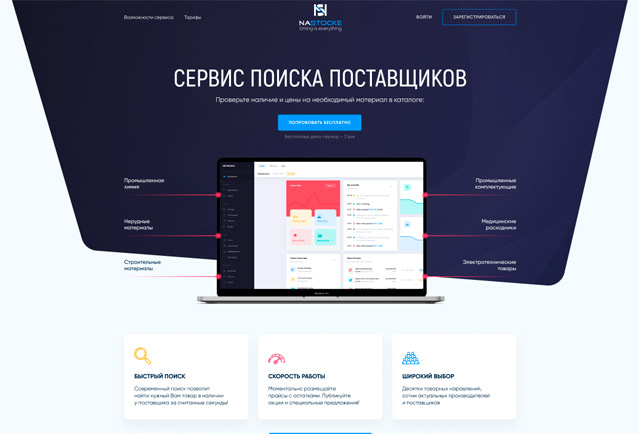
ONLINE SERVICE FOR CONSTRUCTION AND REPAIR WORKS ORDERING. NORTH AMERICA.

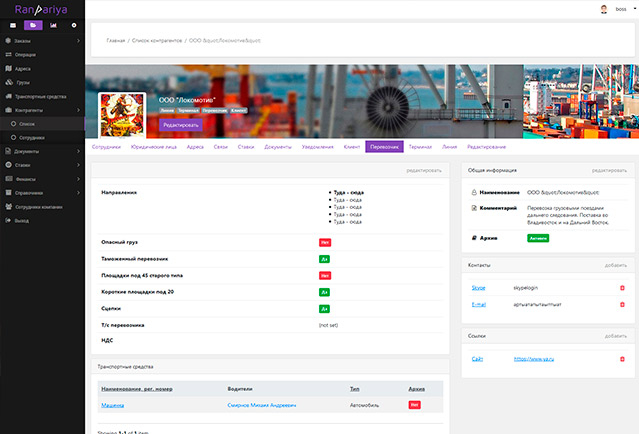
The product is intended for the North American market. The LocalPro.online web service is designed to help contractors do their business. The system allows estimating the cost of works (estimates), maintaining a log of concluded contracts (projects) and assigning employees to a particular type of work (scheduling). The service also enables visitors to find contractors performing certain types of works and request a quote for a certain work.

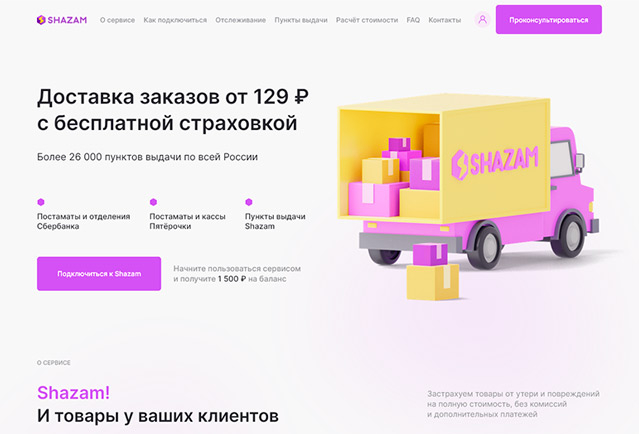
SHAZAM - COURIER ONLINE SERVICE

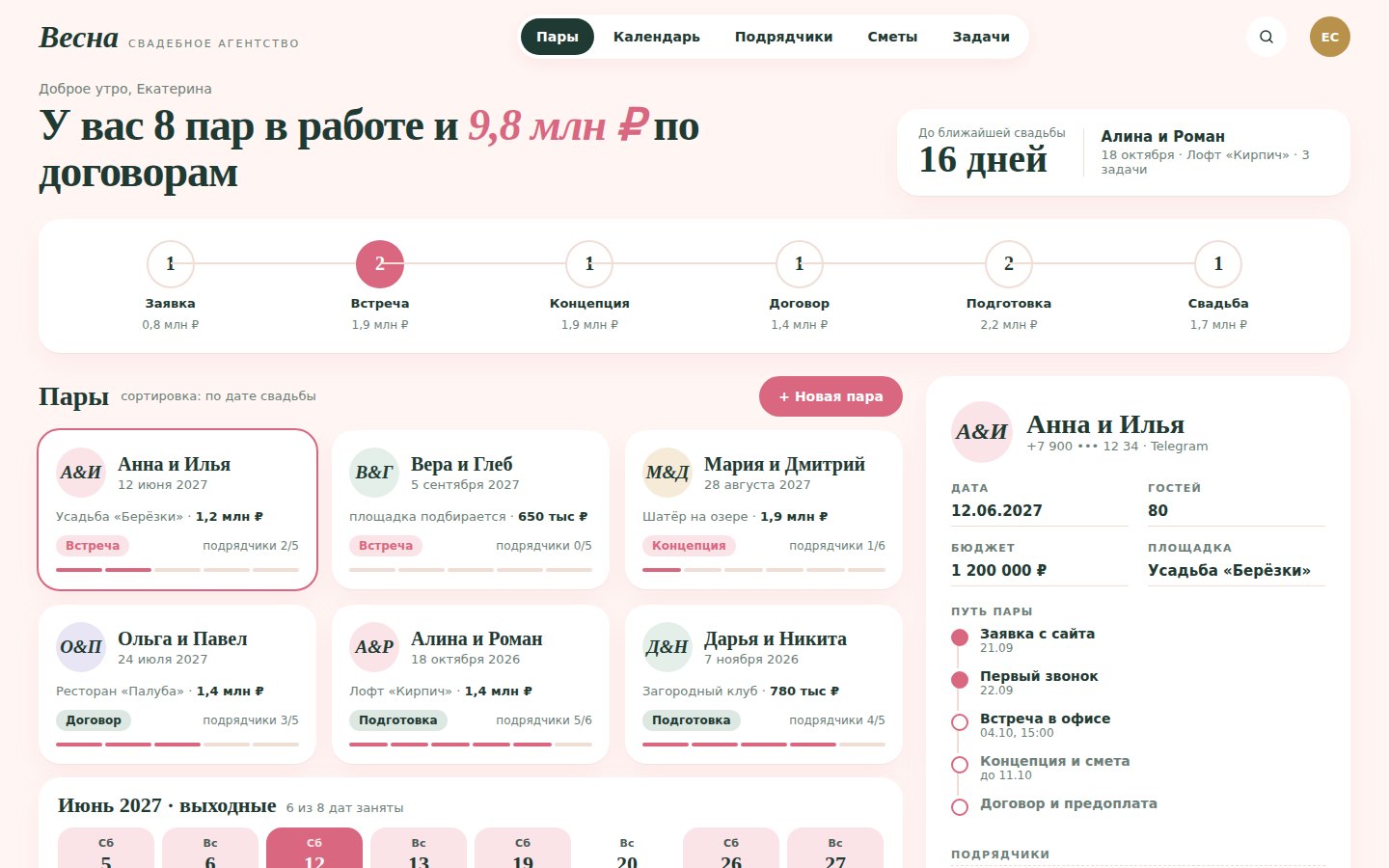
The service automates interaction of all parts of courier delivery. Online stores, offline stores, pickup points, warehouses, partner networks. With statistics, calculation of finance, statuses and notifications for orders.

Online services areas

  • business management

    The most common use of online services for the last 10 years has been for business automation purposes.

    The online format provides bigger advantages than local software solutions, for example, accessing the system from home or on the road via the internet.

  • entertainment services

    A lot of entertainment services are cloud based, like those with video content: YouTube, streaming services like Netflix, OKKO etc.

    Social networks can also be viewed as online services and so on.

  • custom solutions

    Custom solutions can be hardly devided into:
    • ERP
    • CRM systems for business
    • SaaS services

    Each area has its peculiarities and demands the correct approach.

Cloud Services Development & Integration

Who it’s for

For companies moving infrastructure to the cloud, connecting disparate systems via APIs, or adopting a microservices architecture. Suitable for startups, growing products, and enterprise teams that need scalability and fault tolerance without vendor lock‑in.

Project flow

We start with an architecture audit and requirements gathering, then design the target cloud environment. Development proceeds in iterative cycles with transparent reviews. We finish with load testing, documentation handover, and monitoring setup.

Stack & approach

We rely on AWS, GCP, or Azure, containerization (Docker, Kubernetes), serverless, and event‑driven architecture. Integration via REST/gRPC APIs, message queues (Kafka, RabbitMQ), and ETL pipelines. Infrastructure as Code and CI/CD ensure repeatable, reliable delivery.

Timeline & budget

Timelines vary from a few weeks for migrating a simple service to several months for a distributed system with custom integrations. Budget is based on the scope of work with no hidden fees. We propose a fixed‑price or dedicated team model after the assessment.

  • Vendor‑neutral cloud architecture with no lock‑in
  • Robust API integrations and end‑to‑end monitoring
  • Transparent process with regular demos

Frequently asked questions

What stages does your cloud service development include?

We follow a full cycle: from requirements gathering and architecture design to development, API and infrastructure integration, testing, and launch. After deployment, we provide support and monitoring to ensure stable operation.

How long does it take to build a cloud solution?

Timelines depend on the project's complexity and scope. A small MVP can be ready in 2–3 months, while a comprehensive cloud platform with integrations may take 4 months or longer. We provide a precise estimate after reviewing the brief.

Do you handle migration of existing infrastructure to the cloud?

Yes, we help migrate legacy systems to the cloud with minimal downtime. The process includes auditing the current architecture, selecting the target platform, and phased migration of data and services.

How do you ensure the security of cloud solutions?

We use data encryption, network policy configuration, access management, and compliance with standards such as GDPR. We also perform penetration testing and set up threat monitoring.

What cloud integrations can you implement?

We integrate cloud services with CRM, ERP, payment gateways, IoT devices, and third-party APIs. We work with AWS, Azure, Google Cloud, and private cloud environments, choosing the optimal combination for your needs.

What is included in the cost of cloud service development?

The final price is based on the scope of work: architecture design, development, integrations, testing, and support. Additional costs may include third-party licenses or infrastructure services. We provide a detailed estimate after reviewing the brief.