SaaS services
development

We have extensive experience in building SaaS
services, platforms and their support.
We offer our expertise in developing
and supporting SaaS products of any kind.

Get a price estimate

of you SaaS platform

Features of SaaS services

  • Software as a Service

    If you are going to provide software as a service, the prime cost of each new copy will be approaching zero.
  • Monetization method. Freemium?

    Before developing a SaaS platfom, you can choose the monetization method for your product.
  • Recurrent payments

    Using recurrent payments helps to decrease the user churn.
  • Analytics. Churn rate?

    You can choose the best method for analysing the finances of your SaaS platform to always keep abreast of things: see the percent of user churn and new registrations, account refills and plan payments.

Web services development stages

To have a better understanding of the development process, please read the description of basic stages.

A web-service development process
  • Detailing the requirements and the general concept
  • Creating and approving a technical task
  • Prototyping the interface
  • Designing the interface
  • Creating the layout design
  • Front-end and back-end development
  • Testing
  • Bug fixes, verification and final validation

Developing a web-service is closely connected to everyday testing, so we recommend that you do not skip this crucial step for your project.

Examples of SaaS services from our portfolio

other projects

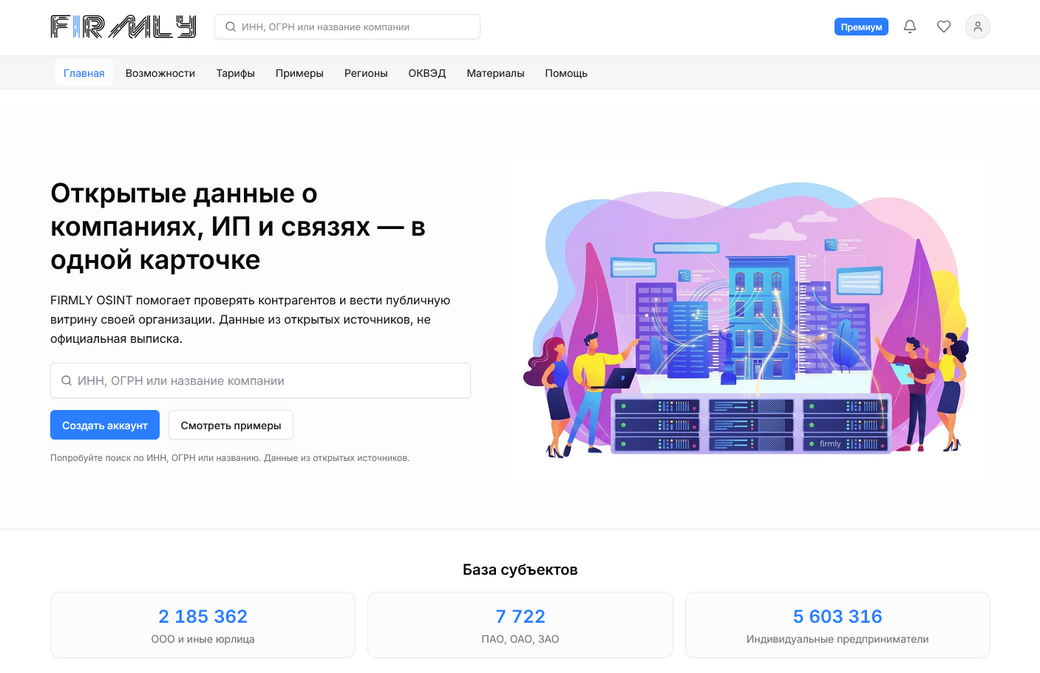
TRIGETS.COM – LANDING PAGES BUILDER

An effective cloud-based landing sites builder that allows you to create your own web site, consisting of one or several landing pages, in a short time and without any special experience.

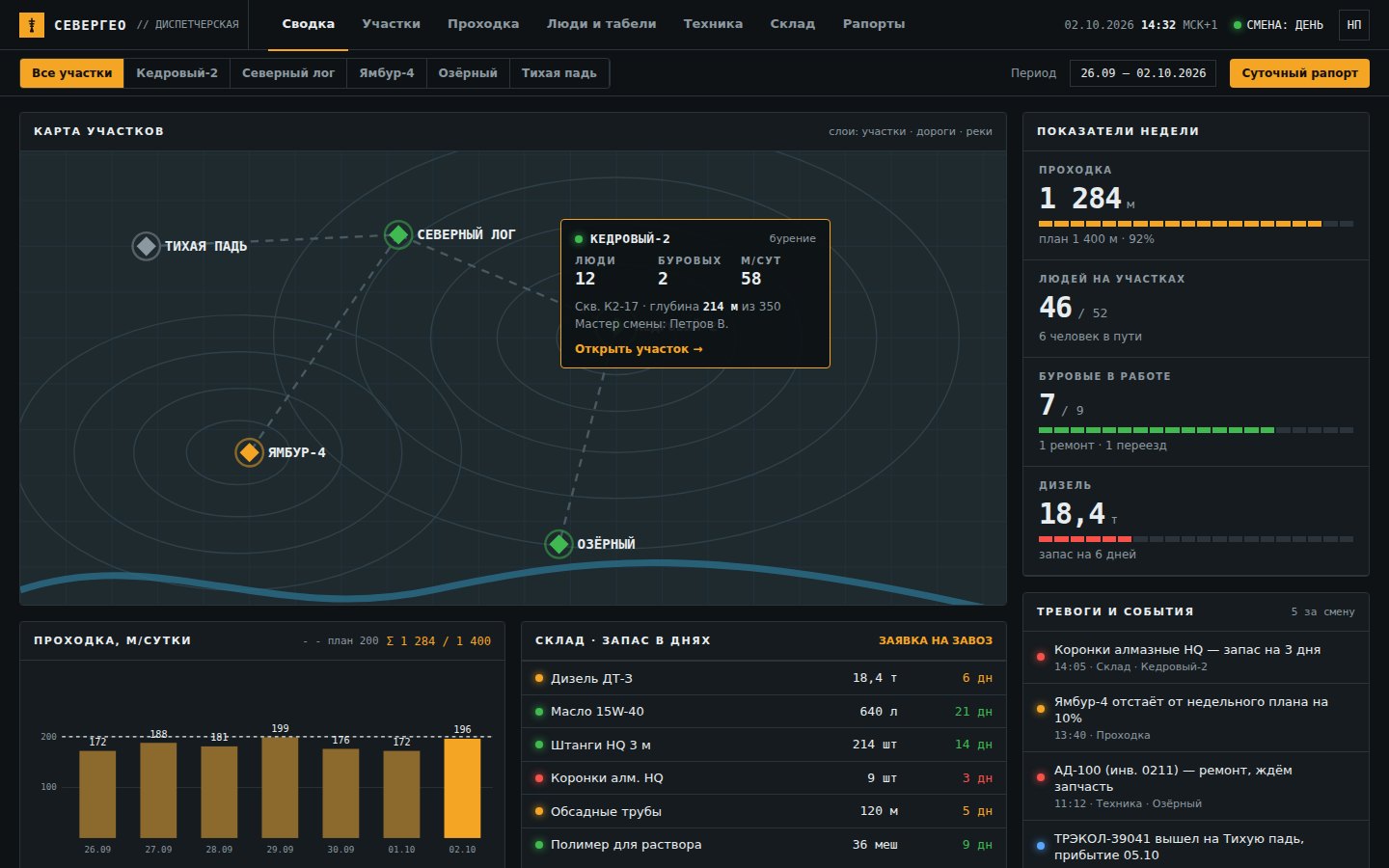
AUTOMATION OF TAXI FLEETS WITH THE INTEGRATION OF YANDEX.TAXI AND UBER AGGREGATORS

Fleet work automation with the integration of Yandex.Taxi and Uber aggregators allowed us to gain expertise in the specifics of taxi services and became a brilliant illustration of our capabilities in solving integration problems.

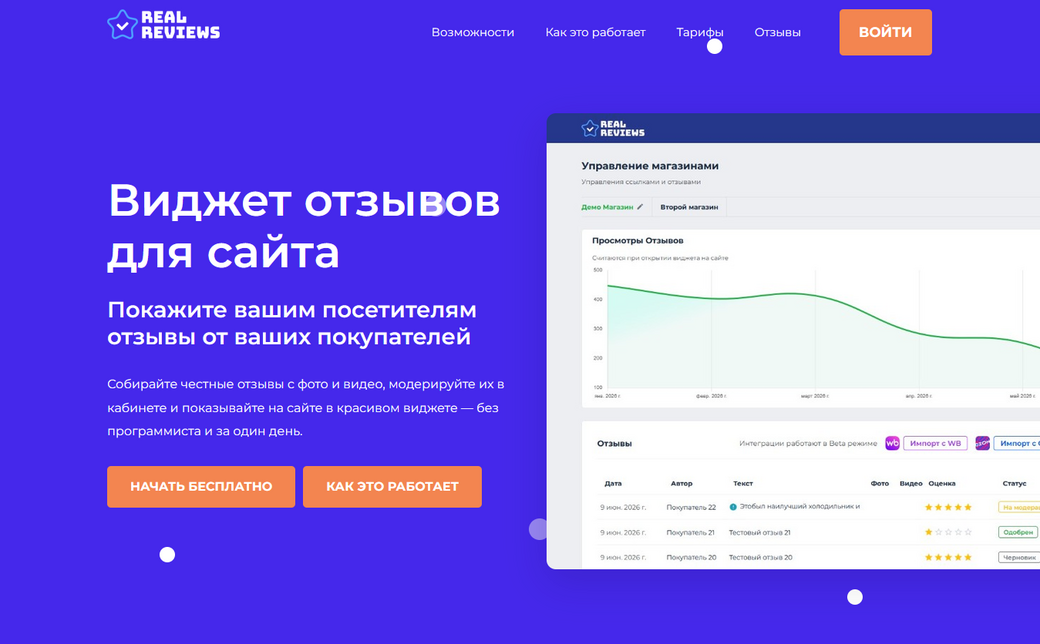
VIRTUAL VOICE ASSISTANT FOR BUSINESS + ONLINE CHAT (SAAS SERVICE)

The online service evatalk.ru, distributed according to the SaaS model (monthly subscription), allows you to create online chats with voice assistants who understand your speech and respond with a voice. The solution was developed using Yandex SpeechKit voice technologies.

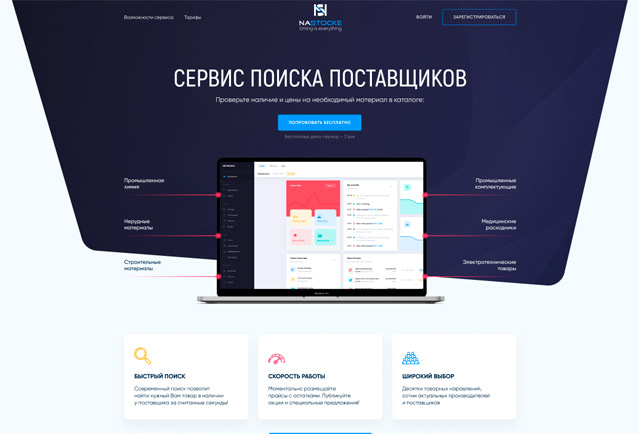
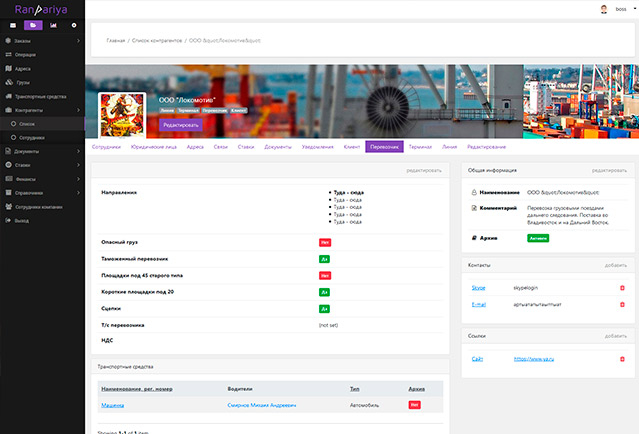
Маркетплейс для оптовых покупателей Nastocke.com

Маркетплейс для оптовых покупателей промышленного оборудования и запчастей к нему. Особенность маркетплейса в постоянном контроле остатков от сотен поставщиков на основе прайс листов.

What to keep in mind before ordering development of a web service

choose your technology according
to the end-user

Whether your client is an individual user or a business company, you need to choose the best suited technology for them. For example, large enterprises would require box solutions installed on their servers. This does not mean SaaS.

Do you only need web service development ,
or a mobile application too?

Very often, when ordering SaaS development, our clients also order a mobile application. This way the functions are more easily accessible, and even if they are limited, it can also be useful to the end-user.

How to calculate the break-even point

Before ordering a SaaS service, you need to calculate the break-even point, when your profits will be more than your costs. If you think that development costs are final and they will cease eventually, you are deluding yourself. Every successful application or SaaS is constantly developing.

SaaS Application Development from ESK Solutions

Who is SaaS development for

Startups needing a quick hypothesis validation with an MVP, and established companies aiming to launch services in new markets. The solution is ideal for B2B and B2C platforms requiring scalability, multi-tenancy, and transparent billing. We assist both in building a product from scratch and transforming legacy systems into cloud-native architectures.

Our development process

We start with requirements analysis and architecture design, then deliver an MVP within a tight timeframe. We iteratively expand features, integrate billing, and set up cloud infrastructure. Post-launch, we provide technical support and systematic product evolution.

Technology stack and architectural approach

We leverage modern frameworks (React, Node.js, Python) and cloud platforms (AWS, GCP). The architecture is designed with multi-tenancy and horizontal scalability in mind. Security is ensured through data isolation and secure APIs, while billing integrates via Stripe or similar gateways.

Timeline and budget for SaaS development

An MVP can be launched in 2–4 months; a full-scale product takes 6+ months depending on complexity. The budget is calculated individually after assessing scope, chosen tech stack, and integrations. We provide a transparent estimate with milestone-based payments.

  • Multi-tenant architecture
  • Payment gateway integration
  • Rapid MVP launch
  • Scalable infrastructure
  • Cloud-native solutions
  • Ongoing support

Frequently asked questions

How does the SaaS development process work?

We start with a product workshop and requirements gathering, then define a roadmap and design the architecture. Development runs in 1–2 week iterations with regular demos, so you can track progress and adjust direction. Each stage includes test documentation and CI/CD pipelines for fast, safe delivery of updates.

How long does it take to build a SaaS MVP?

Timelines depend on feature complexity, user roles and required integrations. A core version with essential flows and billing is typically ready in 2–4 months. We provide an accurate estimate after a detailed briefing and scope decomposition.

Do you integrate subscription billing and payment systems?

Yes, we set up a full subscription model with recurring payments, plan management, trial periods and invoicing. We work with popular providers like Stripe, Paddle, or adapt to your preferred system. After integration you’ll have a subscription management dashboard and all financial reporting.

How do you ensure multi-tenancy and data isolation?

We design an architecture that keeps each tenant’s data isolated at the database or schema level based on security needs. Layered access policies, encryption and regular penetration testing are applied. Horizontal scaling is built in, so the system handles tenant growth without performance degradation.

Can we start if we only have an idea and no specification?

Absolutely, that’s a common starting point. We run product discovery sessions, document user journeys, draft core requirements and propose prototype options. You’ll leave with a clear roadmap and a ready-to-build specification to kick off development.

Do you provide post-launch support?

Yes, we offer post-launch support that covers infrastructure monitoring, critical incident fixes and regular security updates. We can also handle ongoing product evolution — from A/B testing new features to scaling for a growing user base.