


How to Hire the Perfect Game Development Team?
Learn what makes an ideal game development team, from developers and concept artists to audio engineers, and how to assemble the right team for your project.Breaking into the game development industry has been a hot topic and a desired career choice for quite some time: countless newcomers hone their skills daily with varying levels of success, and many training academies accept applications year-round.
If you want to find a game development team, hire game developers, or even if you are a hired game developer yourself, you've probably wondered what makes an ideal game development team.
A game is much like a complex cake. Starting with the base, which in a game is the coding and engine, each layer added on top increases the cake's complexity and quality, shaping and rounding it until it's finally ready to serve.
We all know how hard it is to overlook one bad flavor in a cake, and how much a poorly made layer can ruin the entire experience. Similarly, the slightest misstep in one specific part of a game can cause irreversible damage to the entire project.
Unfortunately, this is a fairly common occurrence in the industry, causing many good and high-quality works to be underappreciated due to the failure of a completely different part of the game development team structure.
With that in mind, it becomes even more evident how important it is to invest in pre-production planning and building a competent team. After all, a game development team must not just do something, but work cohesively with all the other parts.
Key Components of a Game Development Team
Every game development company is structured differently and invests in different parts of its team, but there are several core components that are always mandatory. Not every team member needs to have all the necessary skills, but a broad and deeply committed team is the most important component when it comes to creating a successful game.
Below you will find several examples of what employers looking to hire game developers should look for, as well as the most common categories in a game development team structure.
Game Developers
Although most modern games are either built on top of an existing game engine or adapted to one, it still takes a significant number of skilled professionals to ensure your game integrates well with the platform it runs on. This can include preparing everything for game testing, compiling the pieces provided by other departments into something resembling a finished product, and ensuring everything works together. This is an essential part to pay attention to when hiring game developers.
Neglecting this can result in the game not performing as well as it could, issues at launch, and can even complicate the entire development process from the start.
Concept Artists
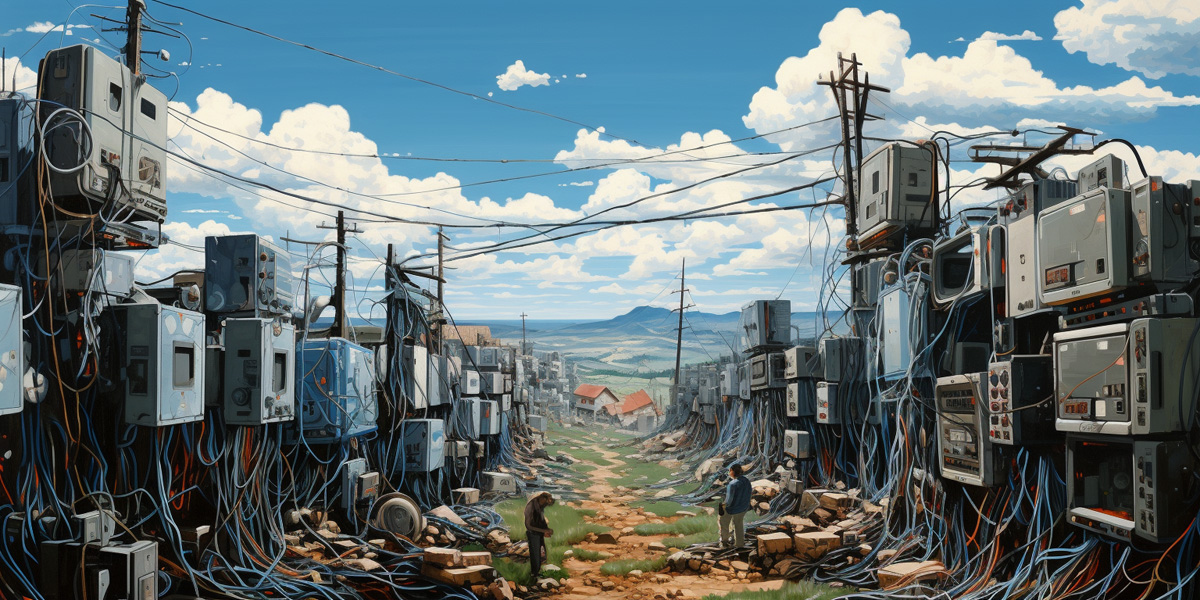
3D modelers cannot take written ideas and turn them into realistic images of fictional characters without references. Concept art has been the foundation of both animation and game development throughout the industry's history. It provides an additional step of refinement and polish before everything moves to the level that can be implemented in the game.
Failing to invest in refining models and characters with concept art makes the modeling team's job much harder, resulting in lower-quality meshes and a more inconsistent final product than if the team had the chance to ensure the game's theme works as a cohesive whole.
3D Modeling Developers
If you've ever wondered who takes concept art or ideas and turns them into realistic 3D objects, the answer is modelers. And there are many of them. A game without models is a flat, lifeless folder of image files, and moving beyond that is difficult, if not impossible. Even 2D games have models to register boundaries between objects, but for a 3D game, nothing is more important than quality objects, especially once you start using advanced lighting and cloth effects.
Without a modeling department, your team has no structure, and your game has no skeleton.
Level Designers
So, you have models, a story, and an engine. But how do you put it all together and tell the story you want? All games—whether 2D or 3D—require a huge amount of level design, and it directly affects your game's final quality. After all, "levels" form the world your players will see, and what will they appreciate if the levels are difficult to navigate and poorly laid out?
If you don't ensure your level design team works well and considers players' needs, it can lead to, at best, errors and glitches, and at worst, overall boredom and player dissatisfaction.
UI Designers
Earlier we called level design the most important element when it comes to developing the lens through which players will experience your game, but there is another factor to add to that statement. UI—or user interface—includes the buttons, controls, and menus your players see between and during interactions with your game. As important as that sounds, time must be spent not only developing but also testing the UI for all game elements, as even the smallest mistakes can have the most negative impact down the line.
A poor UI can make your game look cheap and unfinished, causing players to be confused or even refuse to try your game.
Audio Engineers
What would a game be without audio? We're talking not just about sound effects and UI elements—music and atmosphere also fall into this category. It's hard to determine exactly how music should be created or decide which music to use in a game, but it's undeniable that it's an absolute necessity if you want to create a successful game.
Music and sound have had a significant impact on players for about as long as games have existed, providing unforgettable experiences, a high degree of realism, and recognizability that only sound can achieve.
What Do You Need in a Game Development Team?
The size of a small indie game company can range from a single solo developer to teams of fewer than ten, and the size of a game development team at a large multimedia company can number in the tens of thousands, but the most common size for a game development team—medium-sized—consists of a couple hundred people.
You need not only a strong leadership core that ensures the team works smoothly and collaboratively, but also make sure you've invested in all possible aspects of game development and that your development team size matches your needs.