


AI in UX Design Has Become More Accessible Than Ever: See How to Integrate It
The days when artificial intelligence (AI) was only available to large corporations with significant computing resources and budgets, such as Google or Microsoft, are over. Thanks to AI models like GPT, businesses of any size can leverage its capabilities. Thus, artificial intelligence is now at the forefront of any innovation across all industries we can think of.
Today, we'll explore how AI UX can make your product more intuitive, improve the overall user experience, and help you compete with larger companies. We'll look at real-world examples of companies that have successfully integrated artificial intelligence into their product interfaces.
Ways AI Can Improve User Interface
UI/UX designers strive to create intuitive and enjoyable interfaces by understanding user behavior, preferences, and needs. Recently, AI (and especially ChatGPT) has become a powerful tool to help with this task, unlocking an entirely new level of design potential.
This has become one of the most notable SaaS trends: cloud companies are using artificial intelligence to create more intuitive and efficient designs, enhancing the user experience. So, let's find out how AI can make user interfaces better and look at SaaS companies that are already leveraging this technology to improve the overall user experience of their products.
1. AI Helps Companies Personalize the User Experience
Personalization improves user experience by tailoring features and content to the specific interests, needs, or problems of individual users. For example, AI can identify user behavior patterns based on their order history, wish lists, or viewed products. Based on this information, AI algorithms can create personalized recommendations, content, or marketing messages tailored to the specific user. This way, you can ensure optimal UX, increase engagement, and stay ahead of your competitors.
On March 9, 2023, Grammarly announced GrammarlyGO — a contextually relevant, on-demand assistant powered by generative AI. This tool provides contextually relevant suggestions, taking into account the user's individual voice and brand style, while adhering to an augmented intelligence philosophy that prioritizes customer control.
Grammarly emphasizes that GrammarlyGO's unique value proposition lies in its ability to offer a personalized experience by creating text tailored to each customer's needs. And, of course, such a high level of personalization is achieved through generative AI.

2. AI Makes Chatbots More Human-Like
Chatbots are a promising solution for those looking to enhance customer service and reach new audiences. AI-powered chatbots can improve user experience and learn on the go, thanks to machine learning (ML) and natural language processing (NLP). ML algorithms enable chatbots to increase the accuracy of their responses when dealing with unfamiliar data. As a result, interactions with chatbots become more human-like, and the overall user experience is enhanced.
For example, Duolingo recently turned to OpenAI's GPT-4 to fill gaps in the learner's journey, such as speaking practice and contextual feedback on errors.
With GPT-4, Duolingo launched Role Play — an AI interlocutor capable of giving users accurate responses so they feel like they're communicating with a native speaker. Thus, the app provides a more effective and engaging learning process, leading to a pleasant user experience.
3. AI Can Help Automate Certain Tasks
Integrating AI into UX design for task automation reduces users' cognitive load by minimizing the need for voice commands, gestures, or buttons, thereby improving user experience. Task automation with AI can enhance a product's UX in several ways:
Using chatbots: They can improve user experience by providing automatic and intuitive responses to user inquiries. Chatbots powered by AI models like GPT can offer personalized assistance and quickly resolve customer issues.
For example, Stripe provides developers with extensive technical documentation and reliable support to answer technical questions and troubleshoot issues. However, this process can be time-consuming. To speed up and automate this process, Stripe turned to GPT-4, which acts as a virtual assistant, digesting and understanding the user's question, reading the detailed documentation on their behalf, highlighting the relevant section, and synthesizing a solution.
Automating repetitive or routine tasks such as data entry, content labeling, etc. Notion's "Smart Links" feature automatically creates previews of external content and provides context for links placed in the platform. Isn't that a time-saver?
4. AI Simplifies Search and Navigation for Users
Improving the efficiency and convenience of search and navigation leads to a more pleasant user experience. AI can analyze a user's interaction with an application and provide personalized recommendations for content or products. AI can also assist navigation by suggesting related content or products, as well as creating intuitive interfaces that adapt to user behavior and preferences.
An example is Notion's system with its ability to recognize and classify different types of content and suggest appropriate tags and categories based on the content, which can help users organize and find information more easily. When you start typing a tag in a database field or on a page line, Notion will suggest tags based on the content of your notes.
5. AI Models Can Help Companies Analyze and Interpret Large Volumes of User Data, Providing Valuable Insights into User Behavior and Preferences
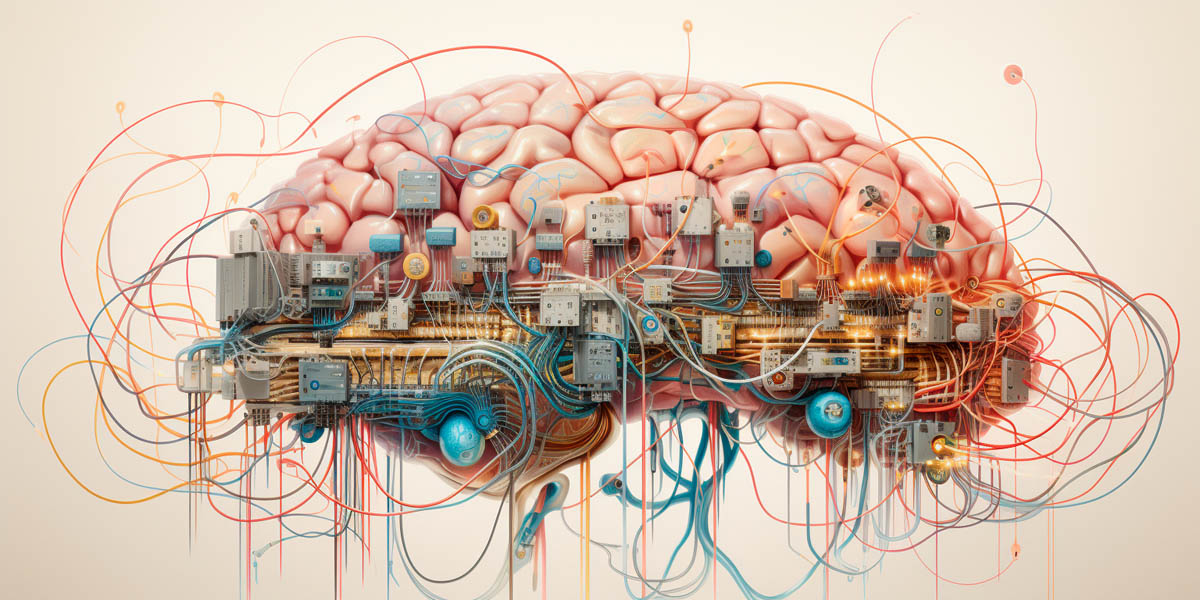
AI models can be trained to identify patterns, trends, and anomalies in data sets, and can be used to extract useful information from unstructured data sources such as social media posts, customer reviews, support tickets, etc. By analyzing this data, companies can gain a more comprehensive understanding of customer preferences, behavior, and needs, enabling informed decisions to improve UX.
An excellent example here is Stripe. Implementing GPT-4 helped them better understand their users' businesses. To provide optimal customer support, Stripe aims to understand how each business uses the platform and address their issues accordingly. However, this process can be time-consuming and requires significant human effort.
Moreover, some companies have sparse and cryptic websites, making it difficult to understand their operations through search and clicks. To solve this problem, Stripe uses GPT-4 technology to scan such sites and generate summaries that surpass human-written quality. Thus, with OpenAI's GPT-4, Stripe can better understand its users' businesses and streamline interactions with them.
There are far more than five benefits that AI can bring to your product, but as you can see, UX and AI can combine beautifully, helping companies better serve their customers. Therefore, I think it will be useful for you to learn about some ways to integrate AI into your business.
How GPT Technologies Can Be Integrated into a Product
As you can see, many successful companies view AI in UX design not just as a single designer using ChatGPT within their team, but as making this technology part of the company's UX strategy and embedding AI features directly into their products. After all, thanks to the ability to analyze user data, identify patterns, and adapt to individual user needs, GPT-based AI features can be truly useful for optimizing the interface and improving user experience.
So, let's summarize what we've learned today. Here are four effective methods of using GPT-based technologies in your UX strategy.
Implement a Chatbot to Assist Users with Navigation.
Chatbots can provide users with 24/7 support, reducing the burden on support agents. Thus, using GPT technologies, bots can act as an intelligent directory, offering users relevant content or features. This helps users browse content and reduces the time they spend searching for what they need. Chatbots can also guide users through specific tasks or workflows, providing step-by-step instructions and answering questions that arise.
Add a Virtual Assistant to Provide Personalized Recommendations.
GPT models are valuable for creating personalized recommendations based on user actions, preferences, or other usage scenarios. You can train a bot to provide personalized recommendations using site data, such as order/search/browsing history, etc.
Use a Bot to Analyze User Experience.
There are various ways to use a GPT model in UX research:
- Interacting with customers and gathering insights about their needs. A chatbot can collect user feedback on how they interact with your product (features they use most often, features they would like to see in your product, etc.), analyze responses, and suggest potential improvements to enhance the user interface.
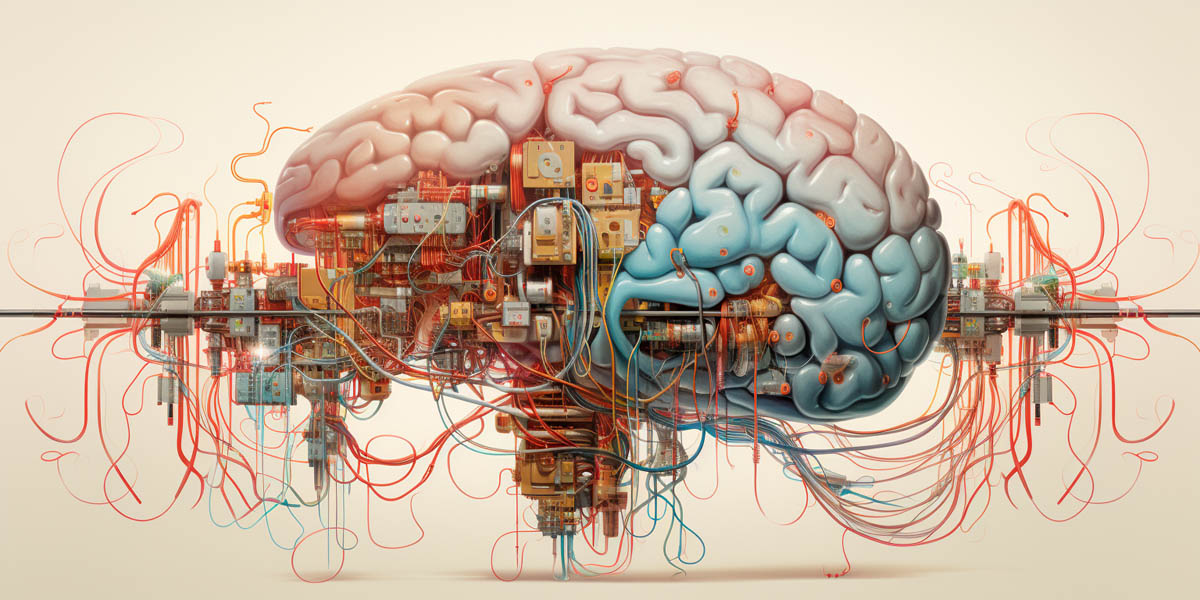
- Analyzing user feedback and creating reports. A GPT-based bot can analyze customer feedback across various platforms, classify it by sentiment and topic, and identify common issues and complaints. This information can be used to improve user experience by identifying areas needing improvement and developing solutions to address those issues.
- Using GPT technologies to automate the categorization and prioritization of support tickets.
GPT-based models can analyze the content of support tickets, determine the urgency and complexity of the issue, and automatically assign them to the appropriate agent or support team. This way, you won't miss UX issues and can address the most critical ones in a timely manner.
What's Next?
The numerous examples of AI usage in SaaS products today indicate that AI is not far off and is likely to change how many industries operate now. Therefore, it's natural that many companies are striving to keep up with integrating AI into their products. And as AI technology continues to evolve, we can expect even more powerful tools to emerge in the near future.
All these facts lead us to the conclusion that today, companies have a great opportunity to explore and use AI technologies to improve their SaaS products and stay ahead of the competition.
However, to fully unlock the potential of AI in improving your product's user interface, the integration process must be approached strategically and thoughtfully. It's crucial to have a clear understanding of how to design a GPT-based conversational user interface that helps you achieve your goals. For this, you may need a design specialist on your team with experience in creating UX design for AI products.