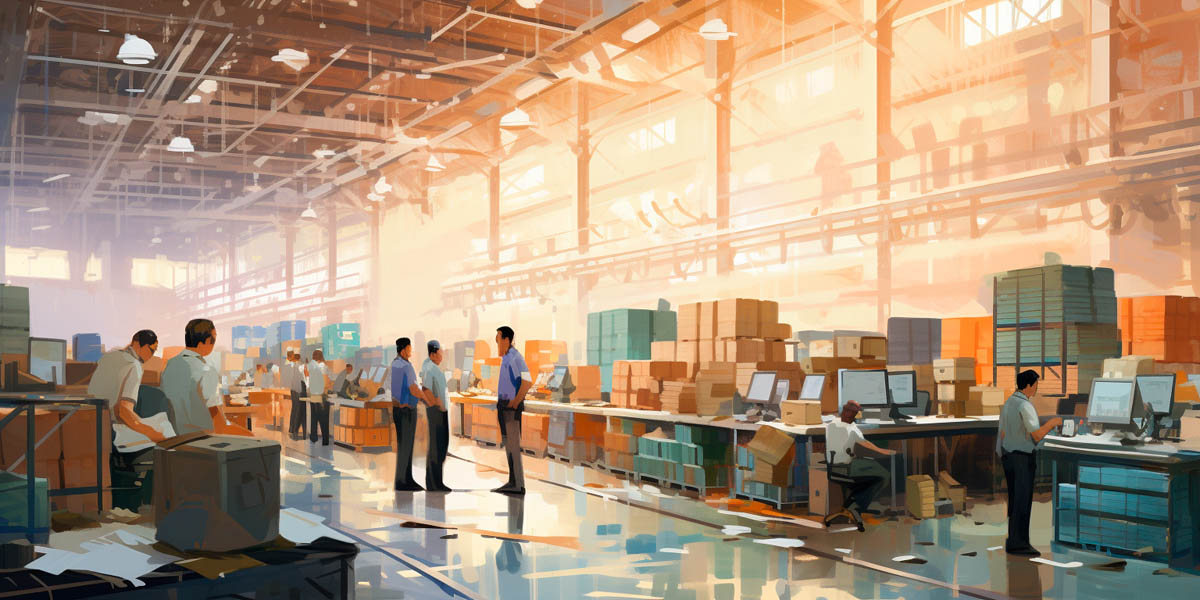
Интеллектуальная система управления запасами - это современное решение для инвентаризации, которое опирается на передовые технологии: IIoT, роботы, RFID-трекинг, "умные" полки и т.д. Система собирает и анализирует в режиме реального времени такие данные, как местоположение, состояние, наличие и статус отгрузки товаров, чтобы поддерживать оптимальный уровень запасов. Она обеспечивает 360-градусную видимость склада, оптимизирует работу с запасами на протяжении всего цикла дистрибуции и сводит к минимуму необходимость вмешательства человека.
Основные преимущества интеллектуальной системы инвентаризации
- Автоматизация. Интеллектуальная система инвентаризации позволяет автоматизировать такие ручные задачи, как отслеживание и подсчет товаров, обновление базы данных, формирование отчетов, пополнение запасов и т.д., что экономит время и силы и снижает риск человеческой ошибки.
- Наглядность инвентаризации в реальном времени. Благодаря обновлению в реальном времени информации о состоянии, количестве, местонахождении и перемещении товаров, предоставляемой интеллектуальной системой инвентаризации, менеджеры получают более полную информацию о состоянии запасов и могут принимать обоснованные решения по прогнозированию спроса.
- Оптимизация запасов. Выявляя избыточные запасы и дефицит товара, интеллектуальная система инвентаризации помогает поддерживать необходимый объем запасов и реализовывать стратегию "точно в срок" для сокращения ненужных складских расходов.
- Обнаружение сбоев в цепи поставок. Мониторинг всех складских операций в режиме реального времени позволяет обнаруживать сбои в цепочке поставок сразу же после их возникновения и принимать незамедлительные меры. Закономерности сбоев, если таковые имеются, могут быть быстро проанализированы для выявления "узких мест" и внесения необходимых корректировок в процессы складирования.
- Повышение удовлетворенности клиентов. Грамотное управление запасами необходимо для формирования положительного отношения к клиентам. Эффективное управление заказами, своевременные отгрузки, планирование на основе аналитических данных для предотвращения перепродаж и обеспечения наличия товара на складе - все это помогает создать репутацию надежного предприятия и построить прочные отношения с клиентами.
Как предприятия используют преимущества интеллектуальных систем инвентаризации
Французская компания Decathlon, занимающаяся розничной торговлей спортивным инвентарем, внедрила в своих магазинах по всему миру интеллектуальное решение StockBot в помощь персоналу магазина. StockBot - это система отслеживания и сбора данных, использующая RFID-метки и интеллектуальную навигацию: она может автономно перемещаться по магазину, собирать данные об инвентаризации и обновлять базу данных инвентаризации в режиме реального времени. С помощью StockBot у продавцов-консультантов появляется больше времени, чтобы сосредоточиться на покупателях.
Крупнейшая в США сеть супермаркетов Kroger представила "умные" полки EDGE, позволяющие персонализировать покупки для каждого покупателя. Решение использует дисплеи с поддержкой IoT, на которых отображаются цены, акции и другая информация о товарах. Кроме того, система подключается к спискам покупок на телефонах покупателей через Bluetooth и помогает им ориентироваться в магазине, подсвечивая перечисленные товары. IoT-датчики, установленные по всему магазину, в режиме реального времени собирают данные о действиях покупателей на полках и вокруг них - после обработки эти данные используются системой для принятия обоснованных решений по инвентаризации.
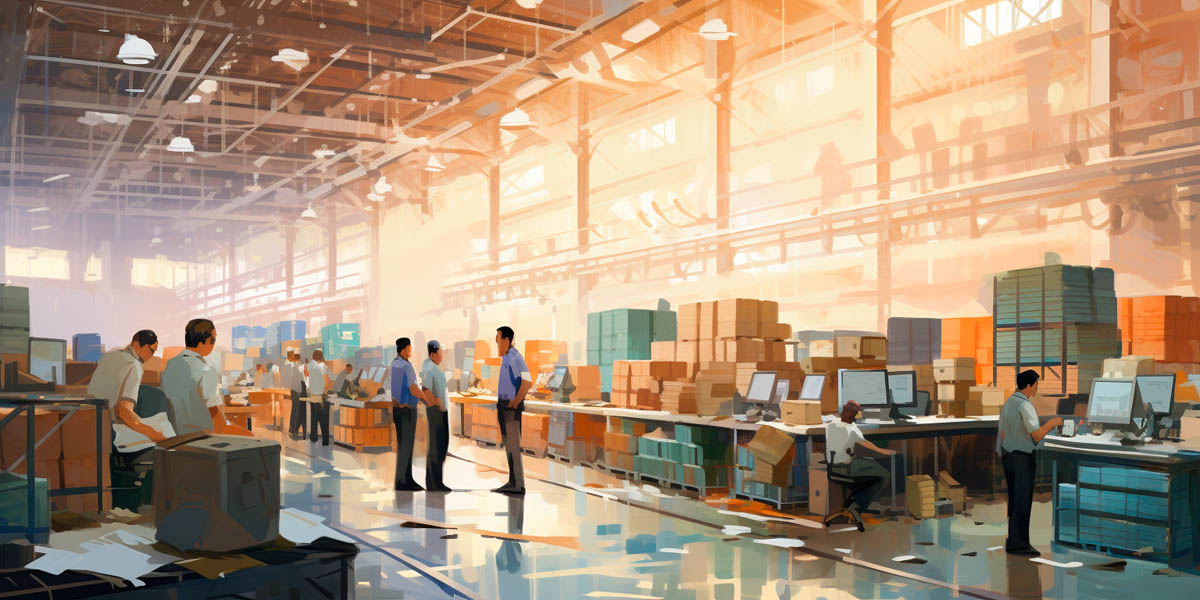
Компания Polaris Industries, американский производитель автомобилей, применила RFID-решение, автоматизирующее отслеживание товарных запасов на всем предприятии. Работники получают данные от системы в режиме реального времени и знают точное местонахождение каждой единицы продукции, проходящей через производственную линию. Автоматизация управления запасами помогает Polaris повысить точность подсчета запасов и снизить затраты на ручной труд.
Поставщик автозапчастей Dana Incorporated внедрил технологию RFID в свои процессы инвентаризации для автоматизации отслеживания товаров и получения информации о состоянии запасов в режиме реального времени. Благодаря этому решению компании удалось снизить количество ошибок, возникающих при ручном вводе данных, сократить время производственного цикла и добиться 100%-ной прослеживаемости товаров.
Компания NLMK La Louvière, бельгийский производитель горячекатаных и холоднокатаных рулонов, представила интеллектуальное решение для управления запасами, которое позволяет поддерживать оптимальный уровень запасов, обеспечивает бесперебойное выполнение заказов и предлагает предиктивную аналитику. При прогнозировании спроса решение анализирует основные данные, такие как объемы заказов и складские запасы, а также учитывает более сложные факторы, включая изменчивость спроса и времени выполнения заказа.
Компания DHL, мировой поставщик логистических услуг, пользуется преимуществами автоматизации на своем "умном" складе в Беринге (Нидерланды). Там стационарные и мобильные роботы работают вместе с людьми. Стационарные роботы, используя систему машинного зрения, выполняют задачи комплектации и работают с упаковками любых форм и размеров. Автономные мобильные роботы могут приближаться к работникам и перемещать грузы, снижая физическую нагрузку на работников и улучшая условия их здоровья и безопасности. Технология беспроводного слежения позволяет контролировать перемещение складского оборудования и людей в режиме реального времени, выявлять заблокированные проходы или переполненные в пиковое время зоны и повышать эффективность навигации.
Британский онлайновый продуктовый магазин Ocado использует парк из 1100 роботов в своем центре обработки заказов в Андовере, графство Хэмпшир. В центре установлена алюминиевая решетка высотой в три этажа для хранения ящиков с продуктами и 112-километровая сеть рельсов, по которым передвигаются роботы. Роботы забирают ящики и доставляют их на станции, где сотрудники собирают заказы клиентов.
Интеллектуальное управление запасами как новый стандарт
Лидеры отрасли во всем мире признают роль интеллектуального управления запасами в повышении операционной эффективности и улучшении качества обслуживания клиентов. Предприятия различных секторов рынка внедряют интеллектуальные системы управления запасами, чтобы получить точную информацию об уровне запасов, оптимизировать процессы цепочки поставок, снизить зависимость от ручного труда и оптимизировать рабочие процессы инвентаризации.