


The Ultimate Guide to Ordering Mobile Game Development
The mobile game market continues to evolve at a tremendous pace, and according to numerous studies, this growth will not slow down in the near future. According to the analytics platform Statista, in 2020 alone, global revenue from mobile games reached 63 billion US dollars. Tablet owners were fewer in number, but they generated comparable revenue – 13.7 billion dollars.
For comparison: PC games brought in $36.28 billion in the same year, while console games brought in $19.7 billion. Experts believe that by 2023 this gap will widen even further: by then, mobile games are expected to cross the $100 billion annual revenue mark.
One of the advantages of the mobile market is its low entry barrier.
On one hand, it is full of major developers such as EA, Activision Blizzard, and Rovio, who have been releasing mobile games since the niche was forming and have earned millions from hits like Angry Birds and Sims Mobile.
On the other hand, the diversity of consumer demand creates comfortable conditions for newcomers who see the mobile boom as an opportunity to enter the gaming industry with minimal investment. Development, support, and cross-platform capabilities are all cheaper on smartphones and tablets than on consoles or personal computers.
A new developer can take two paths: launch a clone of a popular game or take a risk and create an original product. Whichever you choose, the first thing you need to do is calculate how much it will cost to develop a mobile game.
Our team is constantly searching for creative ideas that can turn into the next big hit. We are always interested in collaborations with developers who share our vision. If you already have a strong idea, the next step is to assemble a team: without top-notch specialists, nothing will work.
We have developed enough games from scratch, including with new partners, to highlight the challenges that are relevant to any game development cycle, regardless of budget or team readiness. In this article, we will walk through the main stages of mobile game development, from planning gameplay and budgeting to bringing the idea to life.
How to Plan a Budget for a Mobile Game. Key Factors
To calculate how much it will cost to develop a custom mobile game, you need to consider several factors:
- Platform. iOS, Android, Windows, or all major platforms. Developing cross-platform games on order costs more; if a studio is just starting out and you are working without partners or publishers, even placing the game in an additional store can hit the budget. However, such games tend to earn more.
- Engine. The most common options are Unity and Unreal Engine, although some studios prefer less popular platforms like Cocos2D or Haxe. While Unreal offers a wide collection of game assets, improved process control, and unlimited optimization possibilities, it is still geared toward PC and console game development. Unity is a more versatile option: it is a fully cross-platform engine that offers greater flexibility and a wide range of tools, including special tools for iOS and Android development. For this reason, we recommend using Unity for new projects, especially if you have no specific reasons to use other engines.
- Complexity. To figure out how much money a custom game development will cost, you need to assess its potential complexity. This general concept consists of several important aspects: genre, number of game modes (single-player, multiplayer, cooperative, social game), target audience, and localization costs. Another factor is post-release support. The standard for mobile games is regular updates that add new batches of game content (e.g., levels, characters, unique skins, items, etc.). All these costs should also be planned in advance.
- Game Design and Story. Will players like your product? Will they want to spend money on it (or play it again and again – if you plan to earn primarily from ads)? This depends on the quality of the story and the gameplay loop (i.e., the process of repeating game elements), so these parts of the project require special attention. Define the main features of the gameplay, characters, and game environment, and sketch a concept version of the UI/UX design. If you are not developing the game solo, you will need help from specialists: artists, game designers, etc. Additionally, remember that the most popular games are bug-free and play comfortably on a wide variety of devices. Thus, costs for testing and debugging the cross-platform experience should also be included in the budget – it's an investment in your game's future success.
Game Categories
All mobile games can be divided into several categories. This classification may be a bit rough, and you can probably quickly find a few exceptions, but the vast majority of mobile games fall into one of the following groups:
Mini-games and Hyper-casual Games
These games feature simple graphics and understandable gameplay that can be grasped within seconds. Players are offered a very simple game that should be played in short bursts. If the player has to stop, they lose nothing. Typically, hyper-casual games are based on simplified, repetitive mechanics. These mechanics alone cannot sustain interest for long, so the focus is on regular rewards and habit formation.
To generate revenue, hyper-casual games must be developed in minimal time and in a constant cycle: one game released, two more in development. The promotion of hyper-casual games depends entirely on short-term trends: if you hit a trend, you can enjoy a sharp spike in income from sudden popularity.
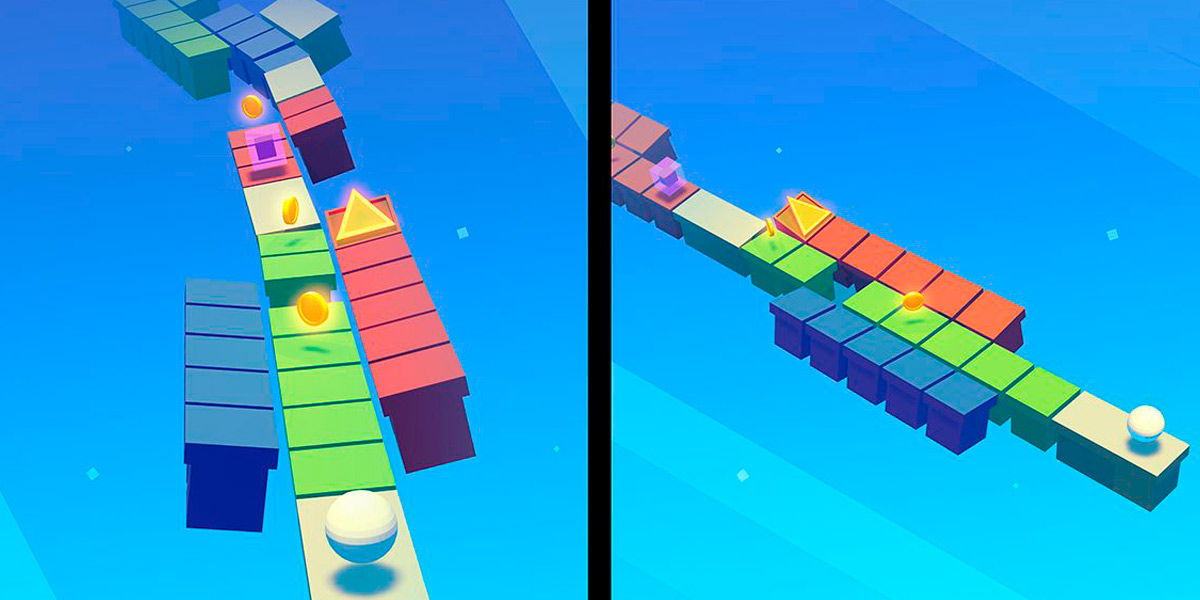
Although hyper-casual games are quite popular and have a loyal audience, they have their drawbacks: for example, in this genre it is harder for developers to realize their ambitions. The team must be prepared for regularly changing development cycles, and testing processes must be very fast.
If you decide to go down this path, we would be happy to offer you a partnership under a long-term collaboration. Use the services of our analytics department to learn everything about the latest developments and trends in the mobile market. After releasing the first game, the ready-made developments (algorithms, mechanics) can be used to develop new custom games. This approach allows you to reduce the budget to 1–2 million rubles per game.
Casual Games
Casual games also rely on simplified game mechanics but offer more complex and varied gameplay compared to hyper-casual games or mini-games.
Casual games typically feature a balanced internal economic system that allows for several types of in-game currency. Currency can be used to purchase new characters, skins, levels, or even gameplay elements.
The most popular genres for casual games are puzzles (especially those using match-3 mechanics and similar), arcade games, platformers, and simple simulators (city builder, farm, hospital, etc.).
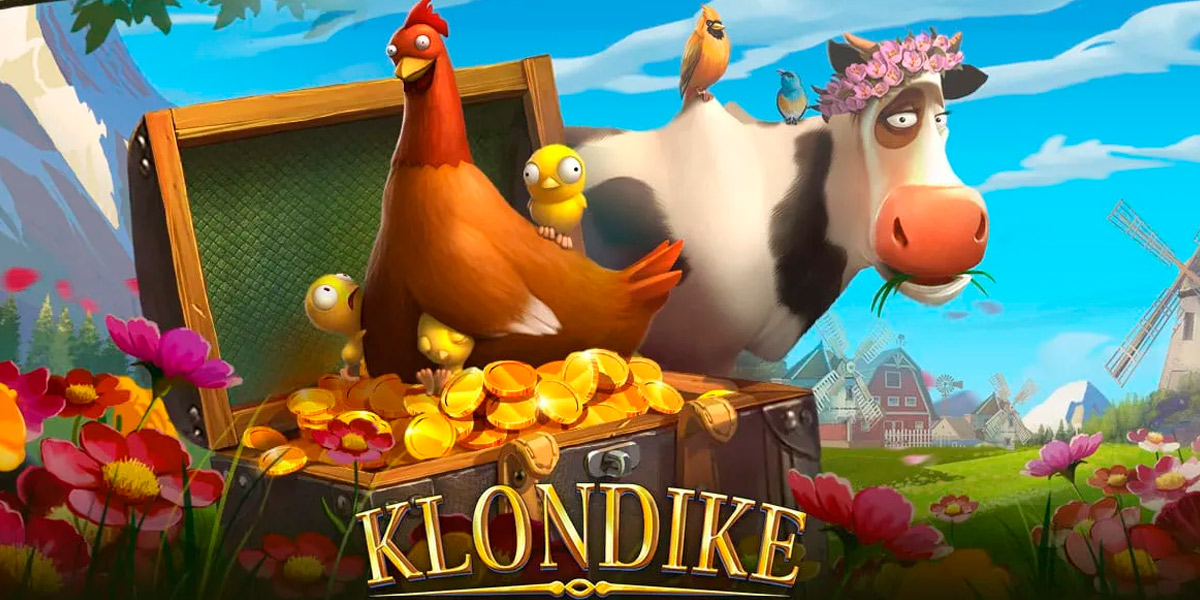
In 2021, casual puzzles turned out to be the most profitable genre among mobile games. This seems to be a continuation of a steady trend: in 2020, puzzles already accounted for more than 50% of all revenue among casual mobile games.
The full development cycle of a casual mobile game depends on its scale and the developer's ambitions. The average budget is from 1.5 million rubles, but there can be deviations in either direction. For example, a simple social game with minimalist graphics and an emphasis on interaction with other users will be cheaper than a large-scale management simulator with picturesque illustrations, complex background music, and regular graphic updates.
Another nuance to consider when releasing casual games is the cost of support services. If the game relies on microtransactions, you may need operators to advise users in real time. Since this expense is not related to development, it is not included in the initial budget version; however, once the game is released, it will have to be added.
Midcore Mobile Games
Not everyone likes simple, repetitive gameplay. To progress in midcore games, the user must not only understand the gameplay elements but also demonstrate strategic planning abilities. Often, these games have a multiplayer mode for communication, joint quests, leaderboard competitions, etc. Game sessions in this genre are longer, ranging from 30 minutes to 3 hours per day.
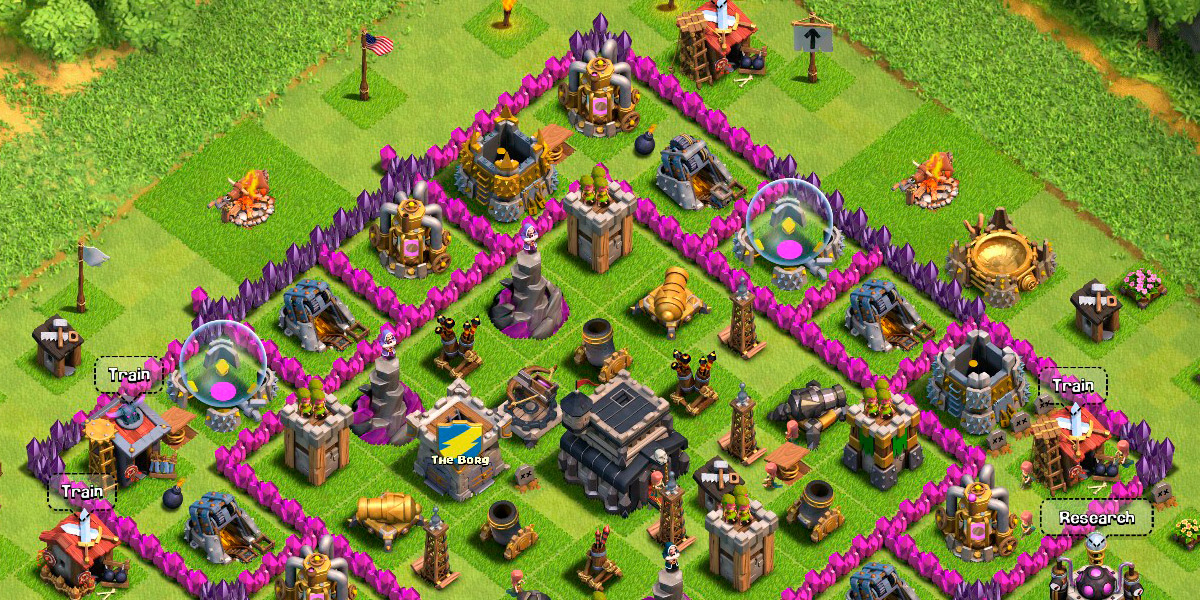
The key genres in this category allow for longer and more complex stories. These are primarily strategies, action games, action-adventures, and RPGs. A developer can delve into sub-genres or combine genres, creating rare combinations that attract players precisely through gameplay.
But storytelling is equally important: if your game requires more time per session, you need to pay special attention to the story of the characters and the game world. For many players, narrative elements serve as the main motivation to complete such games.
The cost of developing a midcore game depends on its complexity. The average is from 2 million rubles.
Hardcore Mobile Games
Some publishers and developers have earned a loyal audience by exclusively releasing hardcore mobile games. These games require more investment at the development stage, but they generate more revenue in the long run and ensure maximum player engagement, providing additional monetization opportunities.
Hardcore mobile games require deep immersion in the game world. Game sessions are not only longer than in other genres but also significantly more intense. All mechanics are designed to test the player's skills, so overcoming each obstacle feels like winning a challenge.
Gameplay creates a desire to complete tasks and compete with other players. These games are the most engaging for users and quickly create lasting addiction: if the gameplay is balanced, people can play them for years.
One of the most popular genres of hardcore games for mobile devices currently is 4X MMORPG. This is a specific sub-genre of strategy games where gameplay revolves around building an empire.
Interestingly, cooperation and cooperative play provide as strong a stimulus as competition – and are just as effective at encouraging players to spend real money. This effect is achieved through the guild mechanic, where players can join voluntarily. All guilds actively compete with each other, so within guilds, users are motivated to spend time and resources helping each other, completing quests together, training and equipping new members, etc.
Due to the complexity of gameplay, this category of games remains the most expensive to develop.
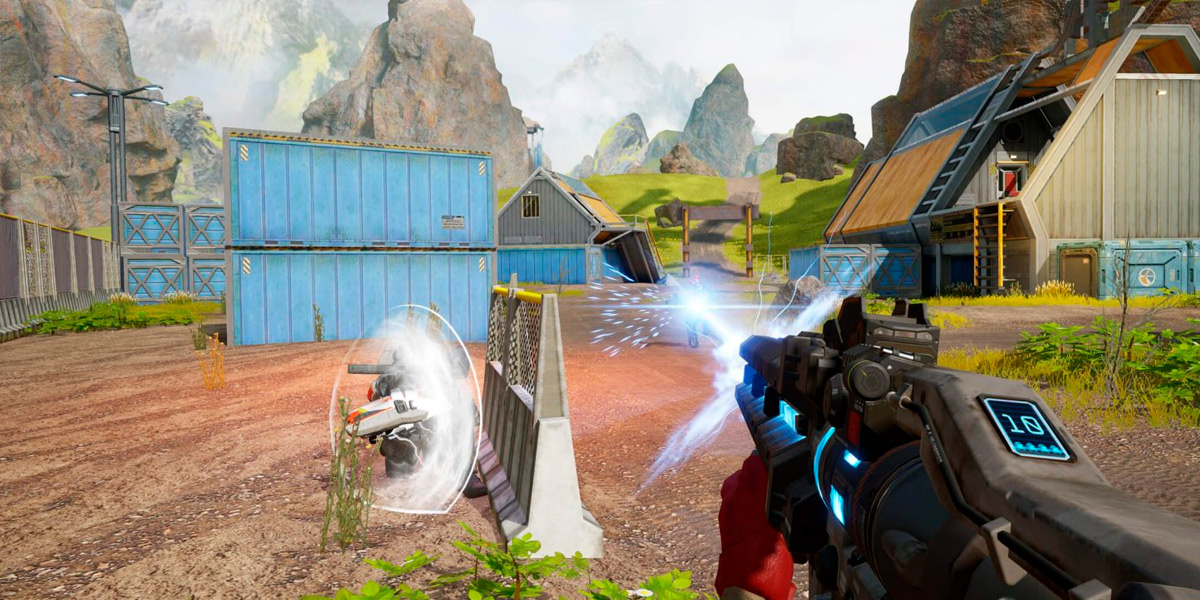
Key Stages of Mobile Game Development
Regardless of whether you decide to create a simple mini-game or a multiplayer RPG, your project will need a detailed plan with time and careful budget allocation. Below are the main production stages of a typical mobile game.
Pre-production and Planning
The most important phase of the entire project. The decisions you make