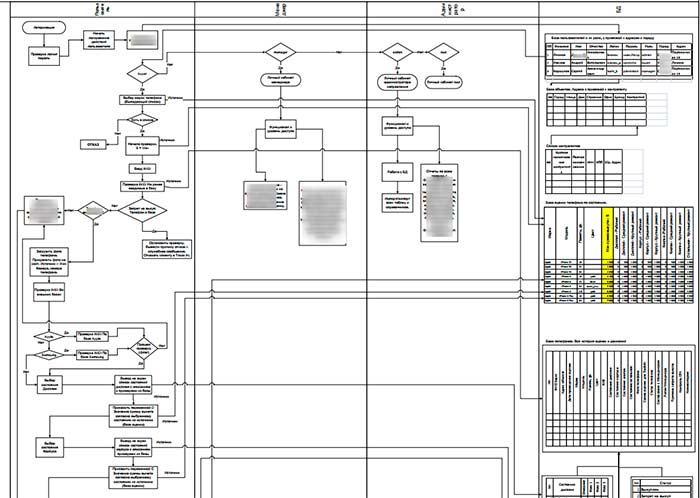
The project aims to organize the work of mobile phones trade-in acceptance points. The quality of the traded in phone is determined step-by-step based

A phone trade-in company (name and brand under NDA) asked us to automate how every employee works with intake — essentially business-process automation in a simplified form: no payroll or full accounting documents, but strict operational control across many acceptance points.
Each location used its own habits; quality grading was inconsistent and central visibility lagged. They needed one online service where criteria can be tuned by staff through reference books instead of a heavy process designer nobody would maintain in stores.
We standardized on pre-installed tables in reference books — universal enough for the whole network, yet adjustable online when models or defect rules change. Buyers, points, counterparties, requests, approvals, and status changes while a phone moves through the chain all live in one product.
We used PHP for a fast finished product; planned load fit the stack with comfortable headroom. Laravel-backed API and Vue frontends mirror the buyer wizard, QC desk, and admin tuning screens described in the specification.
Discussion with client employees killed the original “application designer” idea — standard tables won because they are easier at the counter. Employees adjust indicators online; the same mechanism covers new phone models and revised defect weights.
Delivery took about five months of calendar work in the client engagement (the English brief mentions a shorter initial scope iteration); features landed per technical requirements and follow-on change orders until production rollout across the intake network.


The automated system lets all personnel work through one contour: standardized quality steps, request lifecycle, and visibility for central teams — without exposing the client brand publicly because of NDA restrictions on the trade-in operator name.
Standardized choice paths reduced subjectivity at acceptance counters; statistics and fraud controls give headquarters levers they lacked when Excel and paper dominated regional roll-ups, weekly manual reconciliations, and delayed QC feedback from the central warehouse.
Architecture stays extensible to other device categories when the client expands; ESK retains a playbook for large distributed retail operations with offline-tolerant intake, centralized fraud controls, reference-book-driven quality grading at scale, and Laravel plus Vue delivery patterns proven under NDA.
Describe the task — we will name the timeline and price within an hour.